Last updated: September 20, 2026
Sales growth defines the success of any grocery store or supermarket chain. When you understand customer behavior and apply the right merchandising, pricing, and promotion tactics, you increase the number of purchases and improve profit. This article covers seven ways to increase sales in a grocery store chain, from choosing the right assortment to planogram layout, availability, promotions, loyalty, pricing, and click-and-collect.
Method 1. Assortment of goods
A winning product range will help you increase your sales. Are you sure you have the right products at the right time? To answer that, you need to know your store indicators, inventory data, turnover, lost sales, and, above all, who your customers are. The main task is to have a clear idea of which products bring in money. Then you can organize products properly, run promotions, and predict demand.
Start with your customers:
- Analyze sales data. Look for patterns in shopping carts: best-selling products, the most popular categories, and products that no longer sell. This helps plan future purchases and optimize inventory.
- Ask customers directly. Surveys, questionnaires, and feedback forms reveal preferences, habits, and dietary needs, such as favorite brands or interest in organic and gluten-free products.
- Monitor social media and online reviews. They contain suggestions and complaints you can act on. Respond quickly, and talk to customers online as well as in the store.
Here is how it works in practice. Say your analysis shows that many customers are looking for organic food. You can create a separate organic fruit and vegetable department, label these products separately, add signage in the sales area so shoppers can find them, and announce the new department on social media, in email newsletters, or in online ads. This meets a real customer need, increases loyalty, and boosts sales.
In US grocery, the categories that typically drive sales include soft drinks, milk, chips, eggs, bread, breakfast cereal and instant oatmeal, candy bars, cheese (block and deli), beer, and water. Compare them with your own data, since your best sellers depend on your region and customers.
Method 2. Effective layout
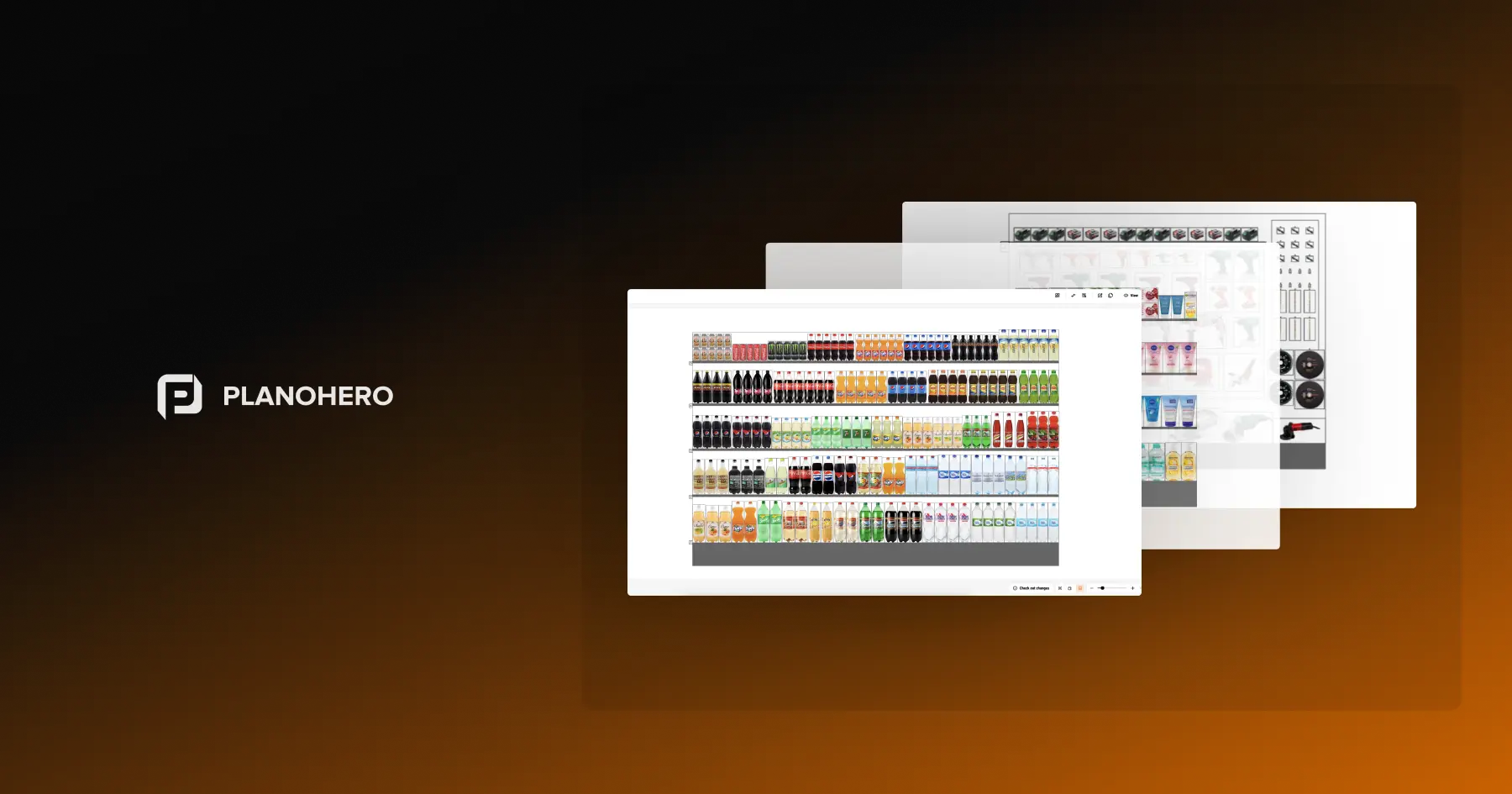
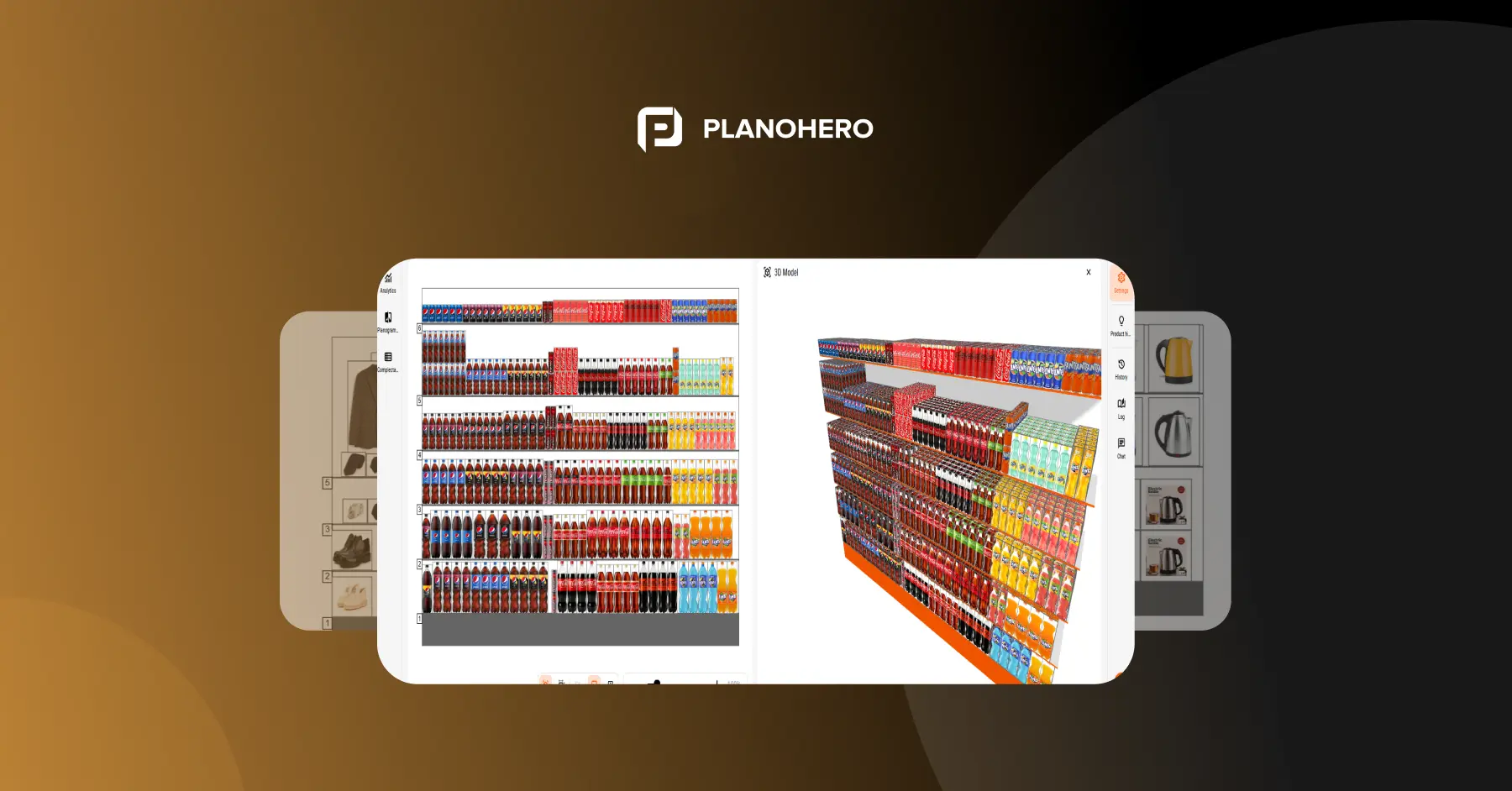
By placing products in the store correctly, you get an efficient and controlled layout of goods. For this purpose, planograms are used. With special planogram software such as PlanoHero, you place products virtually on the shelves, taking into account product groups, merchandising principles, SKU parameters, historical sales, and agreements with suppliers on the share of brands on the shelf. You can then collect valuable sales data and analyze the placement of each product. Working with planograms shows how the placement of specific products affects purchasing behavior and vice versa, so you can build a layout around customer needs and local features.
How do you find out which shelves and products bring the most profit? Analyze the historical sales of the products and their placement. Identify the top-selling products on the planogram, then find out where slow-moving goods are placed. From there, you can place slow-moving products next to more profitable ones to increase their sales. Analysis and timely adjustment of the planogram let you respond to demand in real time.
Three layout techniques work especially well:
- Place products at eye level. Put popular and high-margin products where customers look first, since shoppers are more likely to notice and choose products in their line of sight. Suppose the breakfast cereal section has low sales because healthier options sit on the bottom shelf and get ignored. Moving them to eye level makes them more visible and accessible, and their sales grow.
- Group products strategically. Shoppers forget items from their list, and you can use that. Group complementary products to encourage cross-selling and impulse purchases: pasta sauce next to noodles, or a set for cooking a specific dish. Supermarkets often dedicate a shelf to sushi and roll ingredients. Slow-moving products can also be sold in sets or placed next to bestsellers.
- Rotate products quickly. Timely replacement of items helps manage inventory, maintain sales, and avoid dead stock. In PlanoHero, the rotation function lets you replace one product with another on selected planograms, or on all planograms of the chain at once. The service automatically adjusts the layout to the parameters of the new product and equipment, so seasonal, promotional, and inactive products can be replaced in a few clicks.
Method 3. Avoid the shortage of goods
Lack of products leads not only to lost sales opportunities but also reduces customer satisfaction and brand perception. Product shortages also send people straight to your competitors.
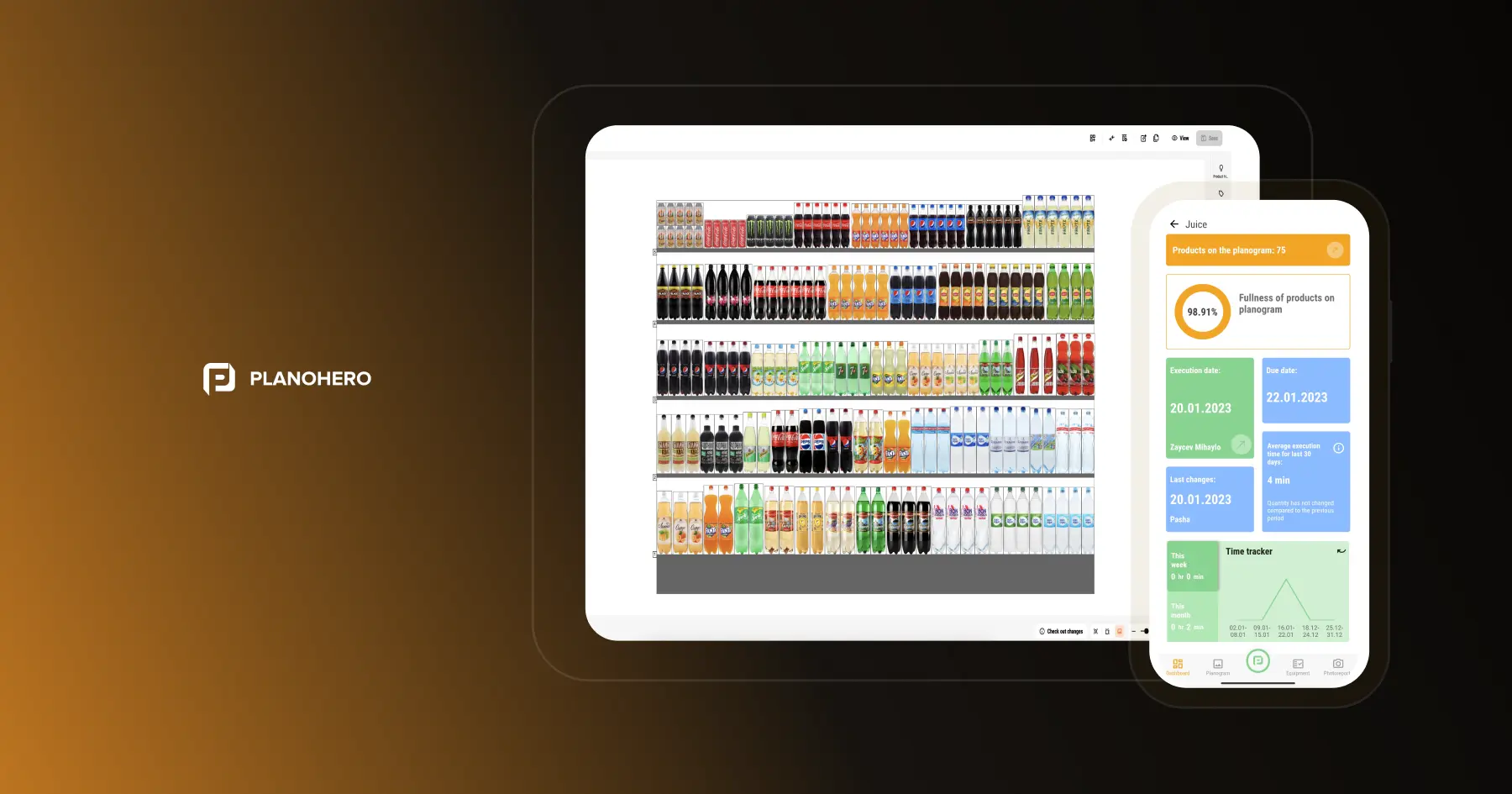
One way to avoid a shortage of goods in a chain of stores is special software for retail. PlanoHero is designed to make life easier for merchandisers. In addition to creating planograms and monitoring their implementation, a merchandiser can track and analyze various sales indicators, including lost sales. In PlanoHero you receive notifications about possible product holes, which appear when the system detects products with a zero balance on your planograms.
The analytical system also helps prevent shortages. The merchandiser can run an audit at any time, an analysis of the shortage and surplus of goods, and the system sends an "OOS Forecast" notification if products on current planograms are enough for only one day. For more, read how to reduce out-of-stock with a planogram service.
It's also important to build strong relationships with your suppliers and stay in touch with them to prevent out-of-stock and shortages.
Method 4. Sell more: promotions, cross-selling, and loyalty
Give people a sense of urgency with time-limited promotions. For example, a "Today Only" sign makes an impulsive purchase more convincing. Discounts can bring more people to your store, so take advantage of the increased traffic by upselling or cross-selling. Offer customers more, such as buying 2 items instead of one. Offer bonuses and additional discounts when buying multiple items. Run a sale on slow-moving items.
Cross-merchandising, or selling additional goods, requires related products to be always in the store, not on a case-by-case basis. Don't upset your loyal customers: if buyers don't find the right products in your store, they will find them at competitors.
In addition, offer expensive and high-quality goods along with goods from the middle and cheap segment. Buyers should have a choice. This method allows you to increase your income by 25%. About 35-55% of customers will choose a quality product from a well-known manufacturer.
Personalize the offer to keep customers coming back:
- Loyalty programs. Customers are always looking for discounts and rewards, and bonuses or cashback encourage them to spend more. Track purchases made by loyal customers, analyze their receipts, and offer exclusive discounts, personalized offers, and recommendations based on previous purchases.
- Targeted campaigns. Use customer and sales data for email marketing, social media ads, personalized recommendations, or mobile app notifications. For example, if a customer often buys gluten-free products, notify them about new arrivals in this category or offer discounts on relevant products.
- Dedicated promo space. Set aside special places on the sales floor for promotional items. Racks and shelves for discounted products attract deal-seeking customers and help increase overall sales.
- Personal assistance. Train your staff to advise and guide customers. The human touch creates a positive shopping experience and builds customer loyalty.
Method 5. Impulse shopping
Optimize the checkout area in stores. Think about which products at the checkout can stimulate impulse purchases in your stores. Ideally, impulse products should be small and inexpensive. These are items that people can easily add to their carts or hand over to the cashier. Such products don't need an explanation, they sell themselves.
If at least 20% of all your customers purchase goods from the checkout area, this will already increase your profit.
Method 6. Price management
Check the pricing policy of your chain store and analyze the prices of competitors. Compare prices for similar products and services, and assess your real strengths and weaknesses against competitors. Using this information, consider raising or lowering prices. For example, a price reduction can increase sales because people can save money. Higher prices, meanwhile, can increase revenue, though this doesn't necessarily increase sales.
Find out what products your target market needs. Consider production costs, then think about the costs and determine the break-even point. This will determine how prices are set.
Method 7. "Click-and-collect"
Many retailers use this system in their store chains. The buyer orders online and picks up the order from the store closest to home.
Offering this service helps increase in-store traffic and sales. Many shoppers who choose pickup buy additional items during their visit to the store.
There are many more methods that have worked well for retailers and help stimulate sales, and we will cover them in the following articles. If you are interested in how to boost sales with planogram software, read "tips for visual merchandising."
All these ways to increase sales will work with the right approach to assortment and display of goods, analysis, and forecasting. This requires automation of business processes: planning, sales analytics, loyalty programs, and promotions.
FAQ
What is the first step to increase sales in a grocery store?
Analyze your assortment and find the products that bring the most profit. Once you know which products sell best, you can manage shelf space more effectively, plan promotions, and forecast demand.
How does a planogram help increase sales?
A planogram places products on the shelves based on real data: historical sales, product groups, merchandising principles, and SKU parameters. It shows which shelves and products bring the most profit and lets you place slow-moving products next to more profitable ones. This makes choosing easier for shoppers and encourages purchases.
Can visual merchandising increase sales?
Yes. How products are presented on the shelf strongly influences purchasing decisions. Easy navigation, popular products at eye level, complementary products grouped together, and clear signage attract attention and encourage impulse purchases.
Which products work best at the checkout?
Small, inexpensive items that need no explanation and are easy to add to the cart, such as chewing gum, snacks, or batteries. They sell themselves and encourage impulse purchases.
How can a store avoid lost sales from out-of-stock?
Track stock levels, analyze demand, and regularly audit shortages and surpluses. In PlanoHero, the system flags product holes (products with zero balance on planograms) and sends an "OOS Forecast" notification when products are enough for only one day, so merchandisers can act before shelves go empty. Strong relationships with suppliers also help.
Looking for a service to create planograms?
Try a free demo version of PlanoHero