
Last updated: September 9, 2026
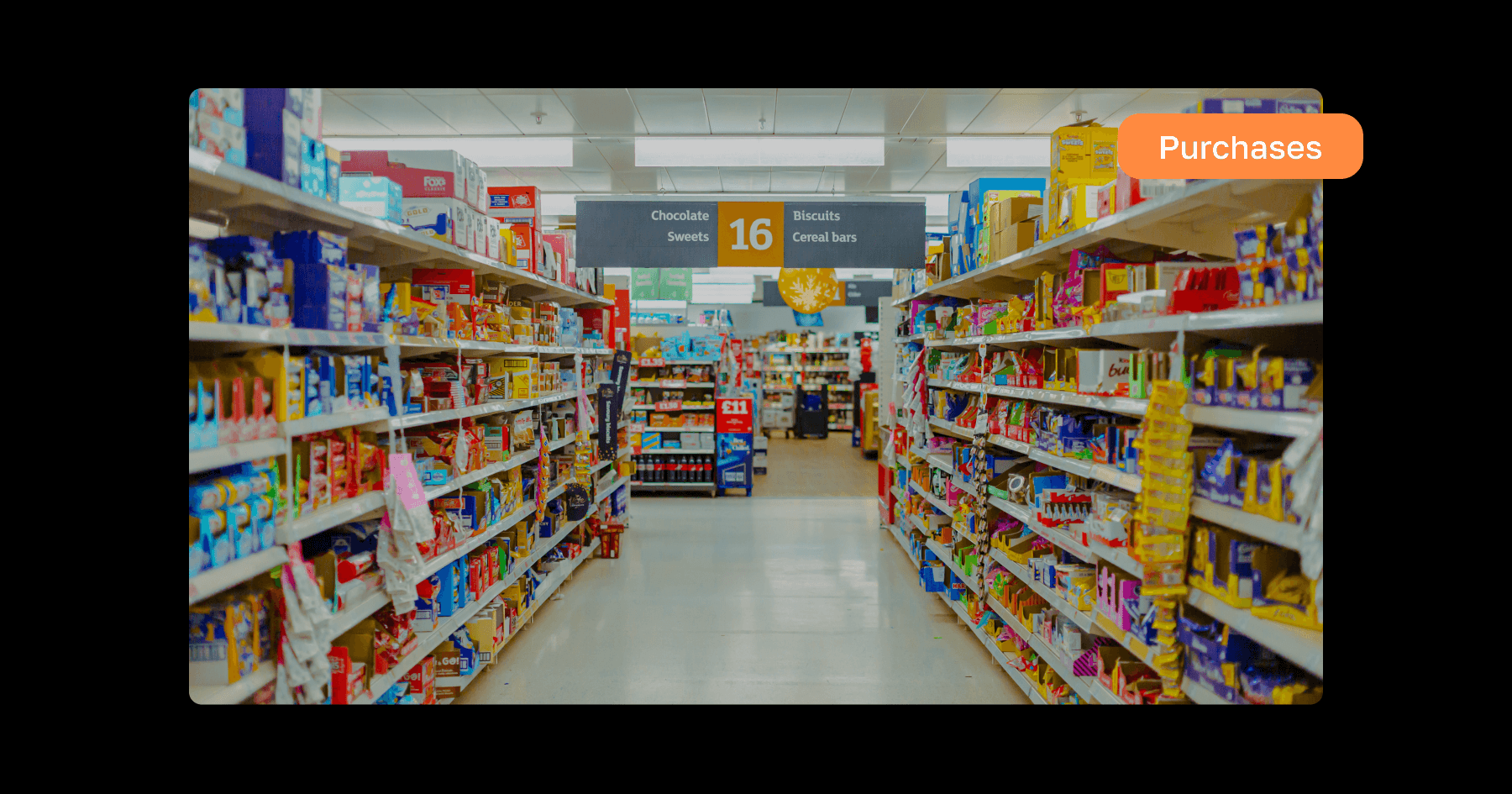
Grocery store merchandising is the practice of organizing a supermarket's layout, shelf space, and displays so that products are easy to find and consistently available for purchase. It spans the full chain of decisions: how the store is laid out, which products get the best shelf positions, how displays change with the seasons, and whether the shelf actually matches the plan on any given day.
The stakes are concrete. A category with strong sales data and a well-planned planogram can still underperform if the layout isn't executed correctly in the store, or if a bestseller runs out mid-week and nobody notices for three days. Supermarket merchandising is what closes that gap between plan and shelf. This guide covers the core techniques behind it, the technology and automation that make it manageable across large chains, and how to tell whether a merchandising program is actually working.
Why Technology Matters for Supermarket Merchandising Today
Grocery merchandising used to mean sketching shelf plans on paper and relying on a store manager's memory to keep them current. Chains running dozens or hundreds of locations can't operate that way: a paper plan doesn't scale, and neither does hoping every store interprets it the same way.
Digital tools change three things at once. Retailers can base shelf decisions on actual sales velocity and turnover data instead of intuition. They can standardize a layout across every store in a chain, or intentionally vary it where local demand calls for it. And they can close the loop between planning and execution through photo-based compliance checks, rather than assuming a planogram was followed correctly.
That last point is where a lot of grocery merchandising quietly breaks down. A planogram can be perfectly designed and still fail on the shelf, because nobody at HQ knows whether the store actually built it that way. This is the specific gap PlanoHero addresses: a merchandiser builds the planogram centrally using sales and turnover data, sends it to the store, and gets a photo report back confirming execution. Instead of guessing whether shelves match the plan, HQ has a verifiable record for every location.
The 5 Rs of Successful Grocery Merchandising
Effective grocery store merchandising is often summarized as five rules:
- Right product — the right products are available and visible on the shelves.
- Right place — products are positioned based on customer behavior and sales data.
- Right time — seasonal and promotional displays go up when they're most relevant.
- Right quantity — stock levels avoid both overstocking and empty shelves, with perishables rotated fast enough to prevent spoilage.
- Right price — pricing is clear and accurate, so customers can make informed decisions.
Each rule sounds obvious in isolation. What makes them hard is enforcing all five, consistently, across every store in a chain — which is the real work behind everything that follows.
Key Elements of Grocery Store Merchandising
Shelf Placement for Visibility and Sales
Shelf placement is one of the most direct levers a retailer has over purchasing decisions. The retail industry sums this up in a simple rule: eye level is buy level. Products placed at a shopper's natural eye line get picked up far more often than identical products one or two shelves away, which is why that space is usually reserved for high-margin or strategically important items rather than assigned by habit.
Putting this into practice takes a few sequential decisions:
- Segment products first. Group items into categories by price, type, and demand before deciding where anything goes.
- Allocate space by performance. Give more space and better positions to categories with strong sales, profit, and turnover. Categories that consistently underperform need less space, not the same amount out of habit.
- Use vertical merchandising deliberately. Reserve eye level for high-margin, high-priority products, and use the shelves above and below for items that are less time-sensitive.
Cross-Merchandising to Increase Sales
Cross-merchandising is the practice of placing complementary products near each other: chips next to salsa, coffee mugs next to coffee beans, oven mitts next to pasta. Instead of guessing at "logical" pairings, retailers can use point-of-sale and basket-analysis data to see which products customers actually buy together.
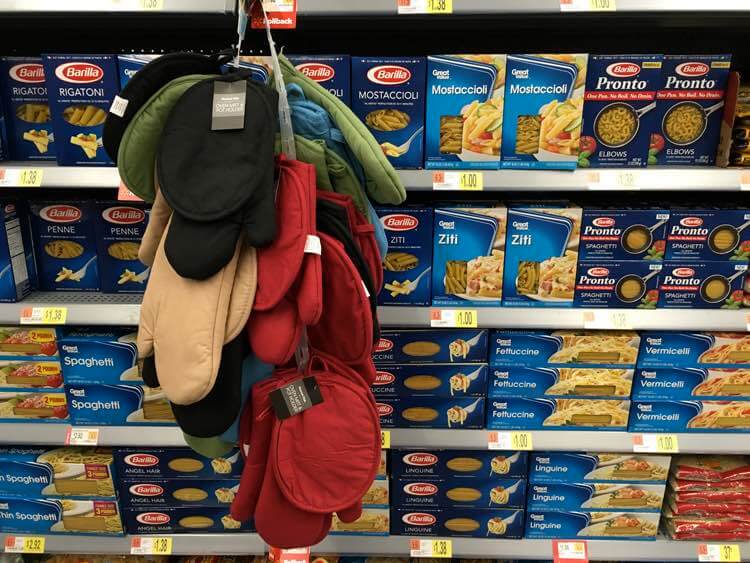
This approach tends to increase average basket size and make shopping more convenient, since related items sit in one place instead of scattered across the store. It also gives retailers a natural way to amplify a promotion, since a discount on one item in a pairing often lifts sales of its complement too.
Managing Perishables and Reducing Shrink
Grocery merchandising has a challenge most other retail categories don't face at the same scale: a large share of the assortment spoils. Produce, dairy, meat, and bakery items lose sellable value on a timeline measured in days.
A first-in, first-out (FIFO) rotation is the standard defense: newer stock goes behind or underneath older stock, so the oldest product sells first. Overstocking works against this. It buries older product behind newer deliveries, raises the odds that something spoils before it sells, and in categories like produce, increases the risk of bruising or collapse from stacking too high. Restocking perishable sections more often, in smaller batches, tends to reduce both waste and the labor spent culling spoiled stock later.
Planogram Implementation
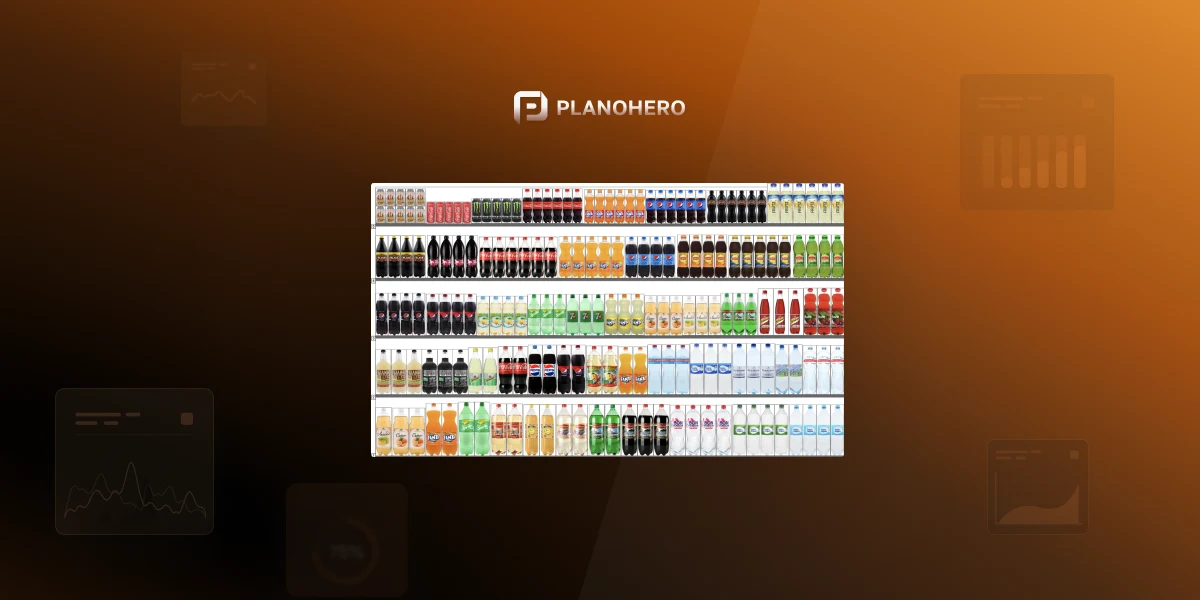
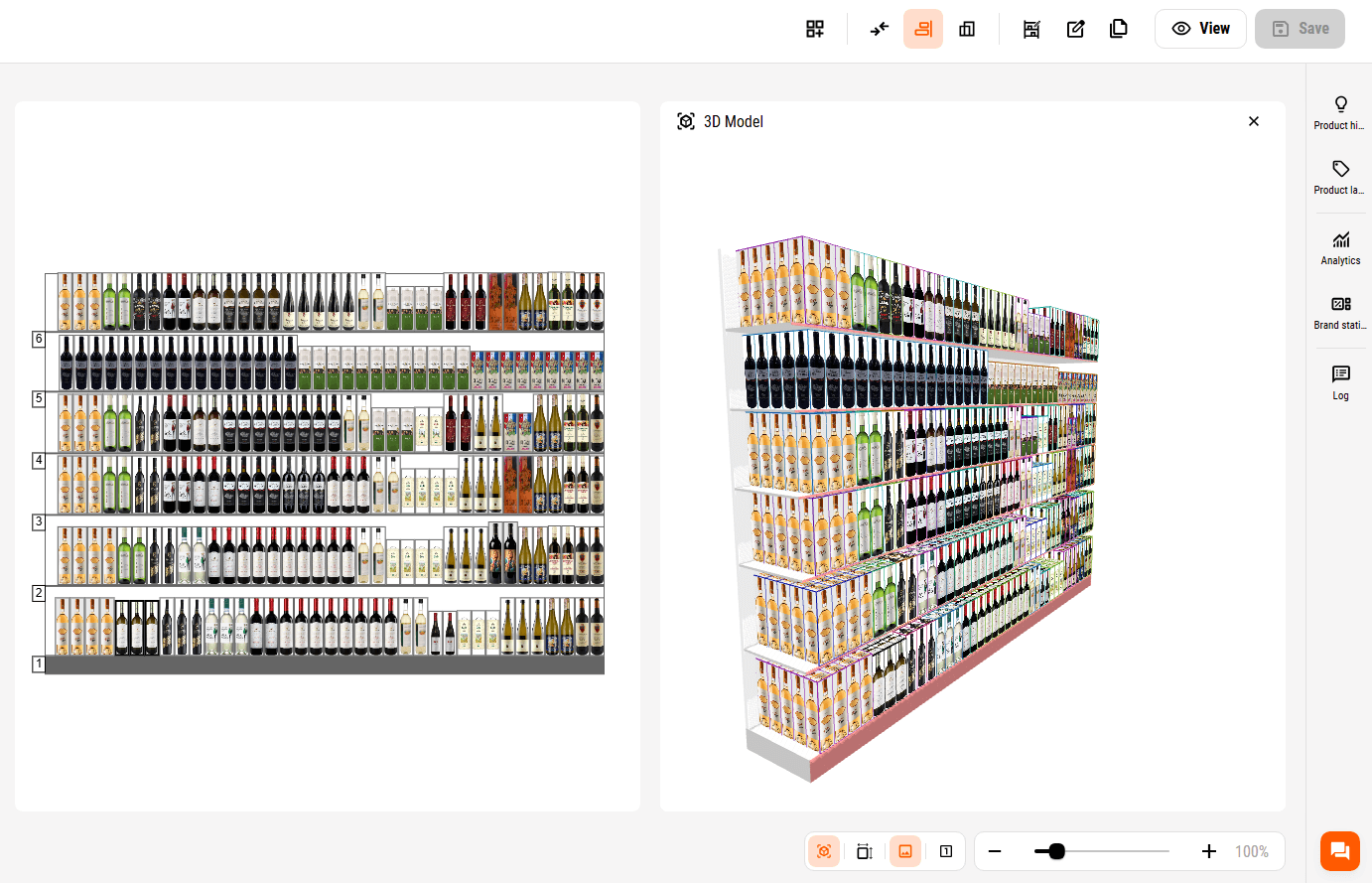
A planogram is a visual map showing exactly where each product belongs on a shelf or fixture. Its value is consistency: every store works from the same reference point, so layout decisions don't drift from location to location or shift to shift.
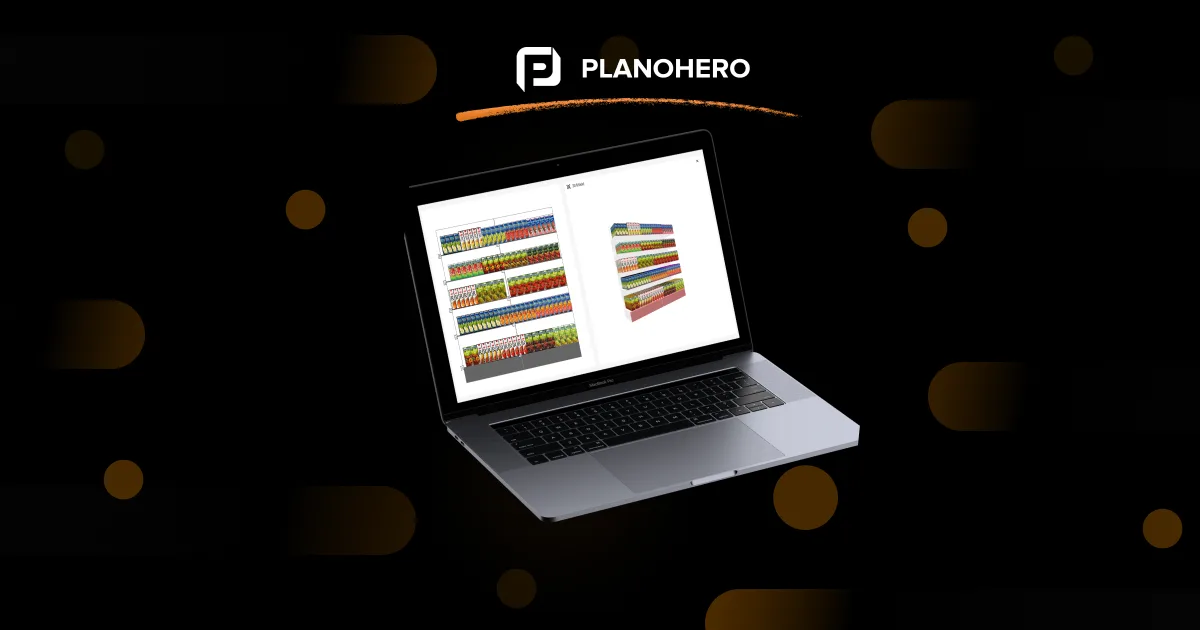
Planogram software lets retailers build, adjust, and update these layouts centrally, then push changes to every store at once instead of redrawing shelf plans one location at a time. Planograms need regular updates to reflect seasonal shifts, new product launches, and changing demand. A planogram that hasn't been touched in a year is a common and easy-to-miss source of lost sales.
Standardizing Layouts Across a Chain, Without Losing Local Flexibility
Not every store in a chain needs an identical layout. Local demand, non-standard fixtures, or regional assortment differences sometimes call for store-specific planograms, while other chains want one consistent presentation everywhere. Both are achievable from the same system: layout rules for a category, brand, or supplier agreement can be defined once, then applied across any number of stores, with or without local adjustments.
Store Merchandising Execution
A planogram only creates value once it's actually built on the shelf, and confirming that requires more than trust. A merchandiser creates the planogram, then assigns it to a store as a task through planogram distribution. The store manager receives the layout in the PlanoHero Layout mobile app, arranges the shelf accordingly, and sends back a photo report. HQ can then check planogram compliance directly against the photo, rather than finding out weeks later during a store visit that the layout never matched the plan.
How Do You Reduce Out-of-Stocks in a Grocery Store?
Displaying products well only matters if they're actually there to buy. Industry research from GMA, FMI, and CIES puts the global average out-of-stock (OOS) rate at around 8%, and separate analysis from IHL Group estimates that costs the average retailer roughly 4% of sales. That's a steady, ongoing loss rather than a single event, which is exactly why it's easy to underestimate.
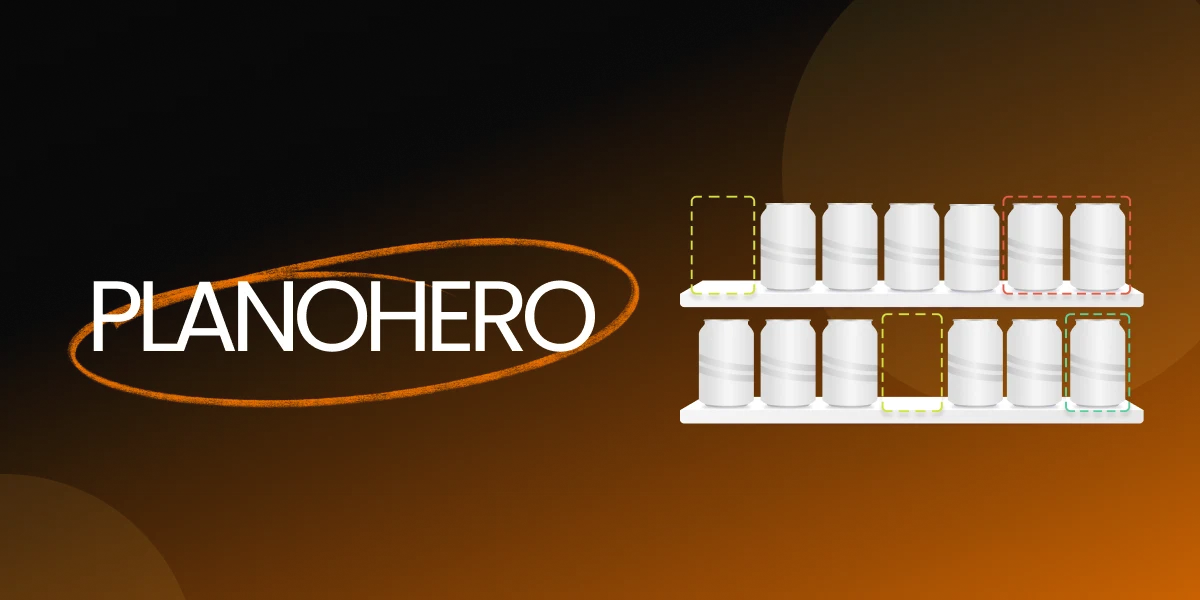
Assortment tracking tools help close that gap by surfacing specific, actionable signals: products sitting at zero stock, products that exist in the assortment but haven't been added to a planogram yet, and discontinued items still occupying shelf space. Catching these gaps daily, instead of at the next scheduled store visit, is what turns out-of-stock management into a routine part of grocery merchandising rather than a recurring surprise.
How Do You Measure Grocery Merchandising Performance?
Executing a merchandising plan is only half the job. Without measurement, there's no reliable way to know whether it's working. A few KPIs tend to separate retailers who actually improve over time from those who repeat the same layout mistakes:
- Sell-through rate — the share of stocked units that sell within a given period, and the clearest signal of whether a shelf position is earning its space.
- Planogram compliance rate — how closely the executed shelf matches the approved planogram, typically verified through photo reports or store audits.
- Units per transaction — whether cross-merchandising and adjacency decisions are increasing basket size, not just rearranging where products sit.
- Out-of-stock rate — how often priority SKUs are unavailable when a customer is looking for them.
- Shrink rate by category or shelf position — where waste concentrates, which often points to overstocking or poor perishable rotation rather than a demand problem.
Tracking these weekly, rather than quarterly, makes it possible to catch a failing layout or a recurring stockout before it compounds across an entire chain.
FAQ
What is grocery store merchandising?
Grocery store merchandising is the practice of organizing a supermarket's layout, shelf space, and displays to make products visible, accessible, and appealing to shoppers. It ranges from the overall floor plan down to individual shelf facings, and its purpose is to convert foot traffic and available inventory into sales.
What are the 5 Rs of merchandising?
The 5 Rs are right product, right place, right time, right quantity, and right price. They describe the conditions that all need to be true at the shelf for a sale to happen: the product exists, it's positioned where shoppers will see it, it's there at the right moment, it's stocked correctly, and it's priced clearly.
What does "eye level is buy level" mean?
It's a retail merchandising principle describing how products placed at a shopper's natural eye line sell disproportionately better than identical products placed higher or lower. Retailers typically reserve that space for high-margin or strategically important products for exactly this reason.
How often should grocery store planograms be updated?
Most retailers update planograms at least seasonally, and more often for categories affected by new product launches, promotions, or shifting demand. A planogram left unchanged for a year or longer is a common, low-visibility source of lost sales, since it stops reflecting current customer behavior.
What's the difference between grocery merchandising and visual merchandising?
Grocery merchandising is the broader discipline: layout, shelf allocation, planograms, cross-merchandising, and product availability. Visual merchandising is a subset of that, focused specifically on how products are displayed to look appealing — signage, color, and presentation style.
Key Takeaways
- Grocery store merchandising works as a connected system, not a set of separate tactics — floor plan, shelf placement, cross-merchandising, and perishable rotation all support each other.
- Eye level is buy level: shelf position at eye height has an outsized effect on category sales, so it should go to high-margin or strategically important products, not whatever's been there out of habit.
- FIFO rotation and smaller, more frequent restocks are the main defense against shrink in perishable categories.
- A well-designed planogram is only half the job. Without a way to confirm it was actually built on the shelf, execution gaps go unnoticed until sales drop.
- Out-of-stocks cost the average retailer an estimated 4% of sales, and most of that loss comes from execution gaps rather than supply shortages.
- Sell-through rate, planogram compliance rate, units per transaction, out-of-stock rate, and shrink rate are the KPIs that show whether a merchandising program is actually working, not just whether it looks good on paper.
- Retailers managing merchandising across dozens or hundreds of locations increasingly rely on platforms like PlanoHero to keep the plan and the shelf in sync, but the underlying principles apply at any scale.
Looking for a service to create planograms?
Try a free demo version of PlanoHero