What Is a Retail Merchandising Tool?
Retail merchandising tools are the equipment and software teams use to get products onto shelves correctly, keep them stocked, and make sure the store layout actually sells.
Retail teams typically work with three layers of tools.
- Physical tools. Items a merchandiser or store associate carries during a shelf reset: tape measures for shelf depth, price guns, box cutters, shelf talkers, planogram printouts or tablets to check layout against plan.
- Field execution tools. Apps that guide reps and merchandisers through store visits: task checklists, photo capture, compliance scoring, route planning. These matter most for brands and agencies sending people into multiple stores.
- Planning and analytics tools. Software for building planograms, allocating shelf space, and reviewing sales-per-facing data. This is where decisions about what goes where actually get made, before anyone walks into a store.
A retailer running a handful of locations might only need the first two. A brand or chain managing shelf presence across hundreds of stores usually needs all three working together, which is closer to what retail merchandising software is built to cover.
Types of Retail Merchandising Tools
| Category | What it does | Example tools | Best for |
|---|---|---|---|
| Planogram software | Builds and updates shelf layouts, tracks compliance against plan | PlanoHero, Blue Yonder, RELEX | Retailers and category managers planning shelf space |
| Retail execution apps | Guides in-store visits, captures photos, tracks task completion | Repsly, Movista, FieldPie | Brands and agencies with field merchandising teams |
| Enterprise merchandising suites | Combines assortment planning, pricing, and inventory allocation at scale | Oracle Retail Merchandising, SAP | Large multi-channel retail chains |
| POS and inventory tools | Tracks stock levels and sales by SKU, flags replenishment needs | Lightspeed, KORONA POS | Independent and mid-size retailers |
| Physical merchandising equipment | Hands-on gear for building and adjusting displays | Tape measures, price guns, shelf pushers, planogram binders | Store associates during resets |
Best 5 Retail Merchandising Tools
This list is not ranked from best to worst. It's five tools from different categories, each solving a different part of the merchandising process. Which one fits depends on whether the problem is planning, execution, or inventory.
- PlanoHero. Planogram software that generates shelf layouts from sales data, distributes them to stores, and verifies execution through photo reports from a mobile app. Best fit for retailers who own their store layouts and need planning and execution in one place.
- Repsly. Field execution app for brands and agencies sending reps into third-party stores. Covers visit checklists, photo capture, and activity reporting.
- Movista. Similar execution focus to Repsly, with strong scheduling and workforce management for teams running large-scale in-store projects.
- Oracle Retail Merchandising. Enterprise suite covering assortment planning, pricing, and inventory allocation. Built for large multi-channel chains with the budget and IT resources for a long implementation.
- Lightspeed. POS and inventory platform for independent and mid-size retailers who need stock visibility and sales tracking tied to the register, not a dedicated planning tool.
Planogram Software for Shelf Layouts
A planogram tells a store exactly where each product goes and how many facings it gets. Building one by hand in a spreadsheet works for a single store. It stops working once you have twenty locations with different shelf sizes, and it breaks completely once layouts need updating every time a product line changes.
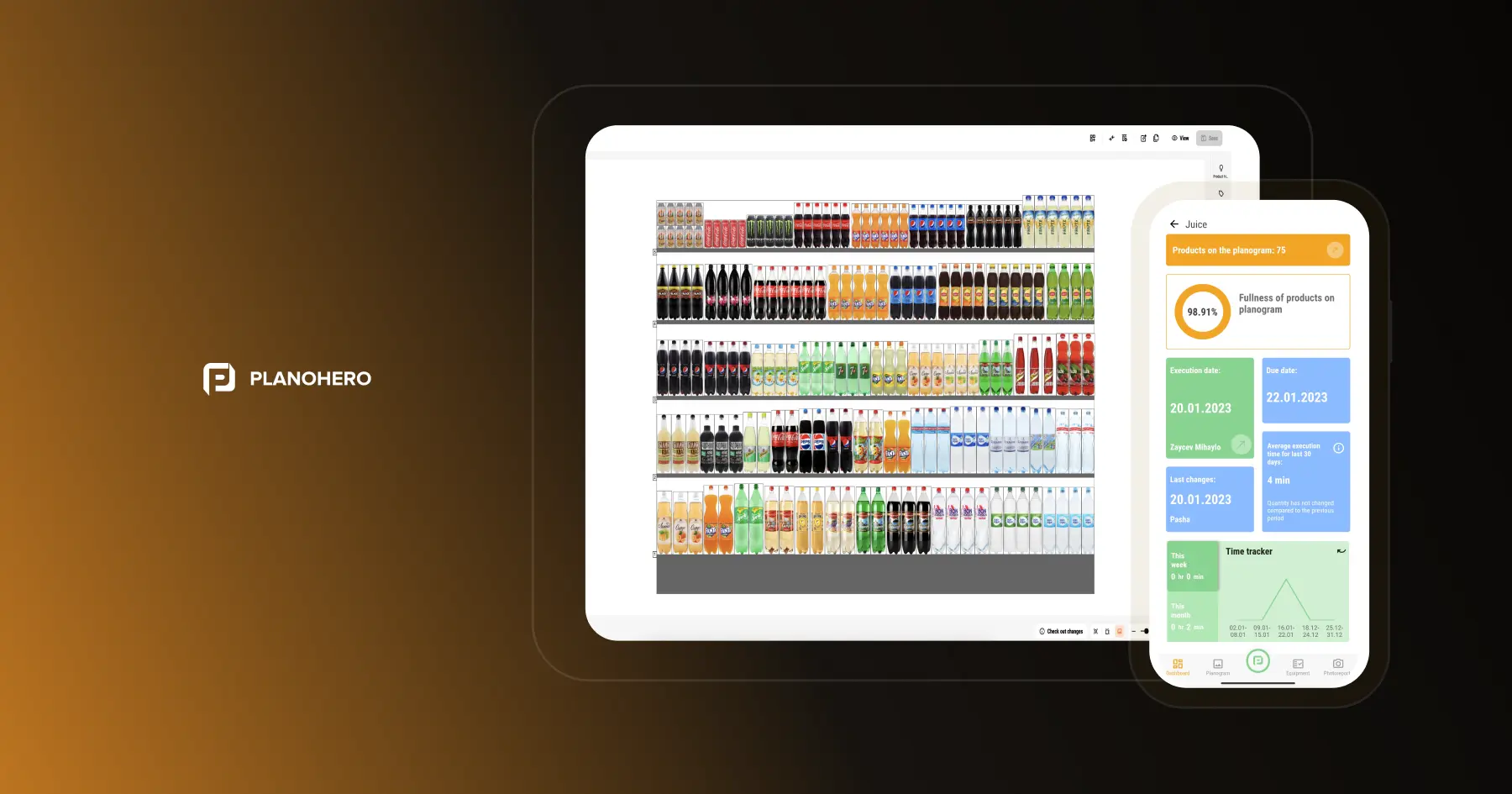
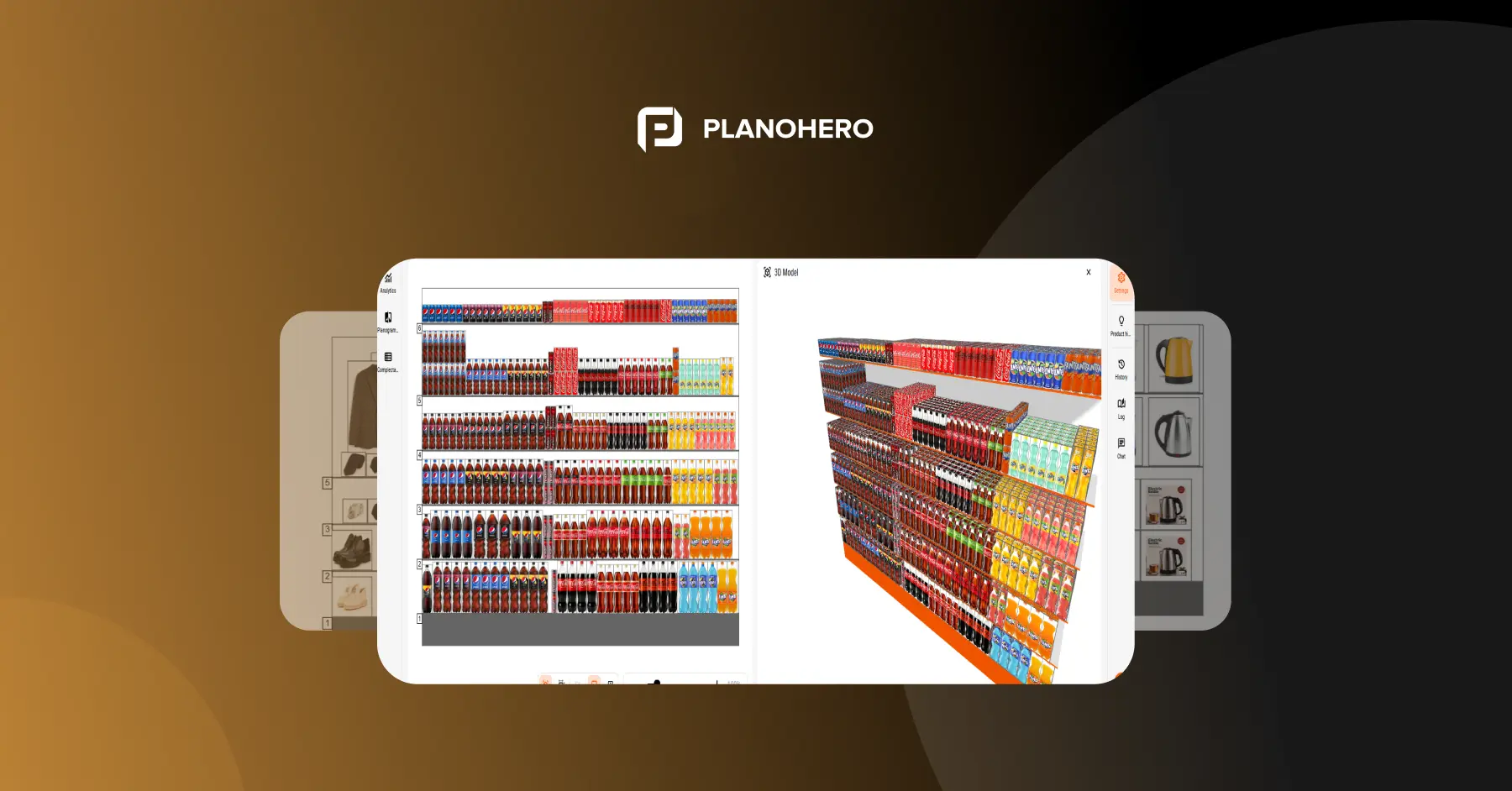
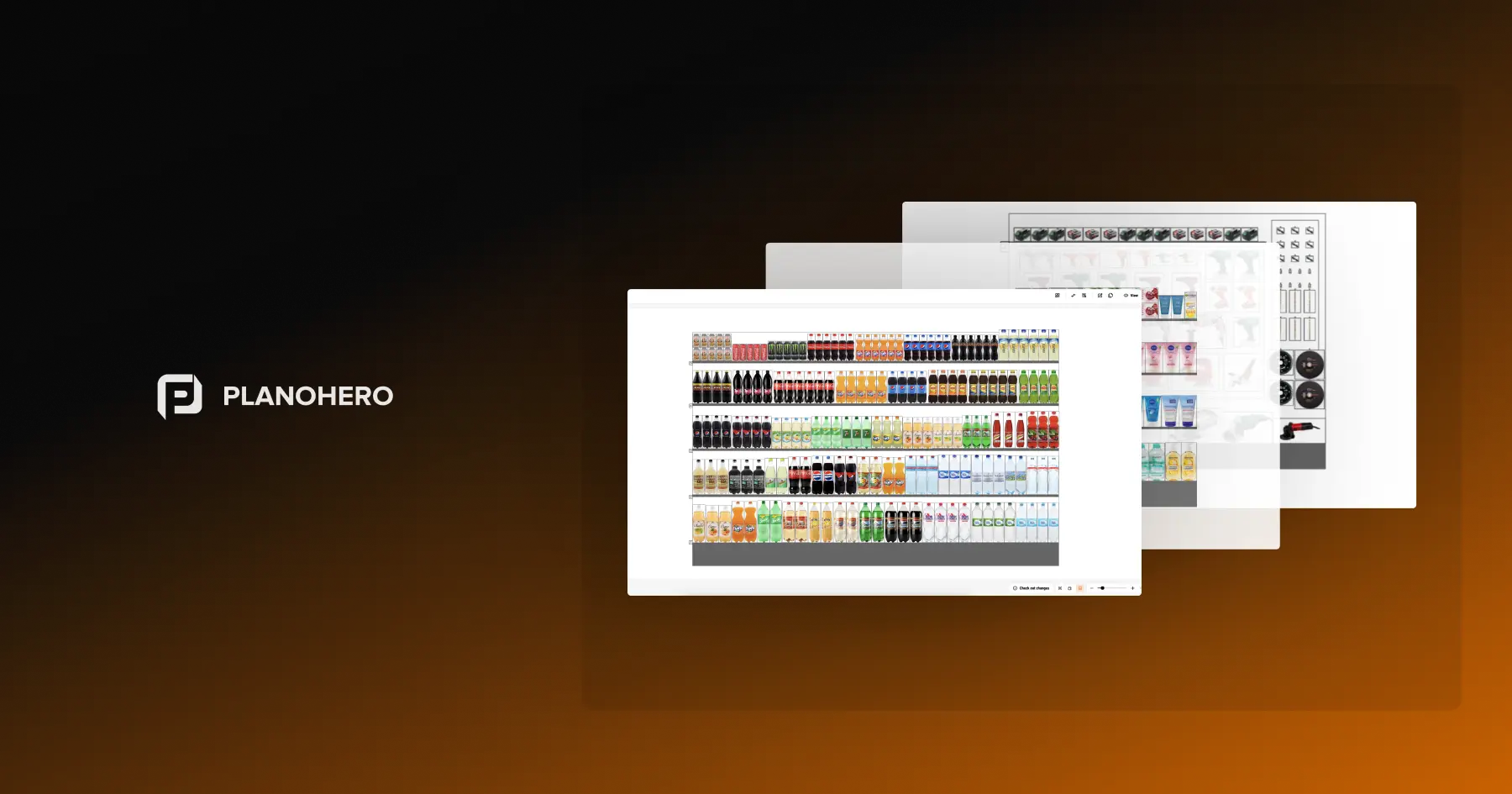
Planogram software handles this by generating layouts from sales and shelving data instead of guesswork. PlanoHero, for example, builds a store floor plan and matching fixtures first, then generates the planogram itself using rules the team sets, like brand priority or promotional placement. The finished planogram gets pushed to stores through a mobile app, store managers photograph the completed shelf, and the system checks it against the plan, so head office gets a compliance picture without chasing reports. There's also a module for assortment optimization, which flags low-stock or underperforming SKUs across planograms rather than requiring a manual check store by store.
Tools in this category increasingly connect directly to POS and ERP systems, so a planogram reflects current inventory rather than a snapshot from last month. This category sits between pure execution apps and heavy enterprise suites, and it's worth a closer look specifically when shelf layout, not just field task tracking, is the main problem.
Retail Execution Software for Field Teams
Execution apps solve a different problem: making sure the plan gets carried out correctly across many stores, and proving it happened. A rep visits a location, works through a checklist, takes photos of the shelf, and logs any issues (out of stock, wrong price, competitor encroaching on shelf space). Managers see this in a dashboard instead of waiting for a written report.
Repsly, Movista, and FieldPie all work along these lines, with differences mainly in route planning depth, offline support, and how well they integrate with a brand's existing systems. These tools are built for brands and merchandising agencies sending people into stores they do not own, which is a different use case from a retailer managing its own shelf layouts.
Enterprise Merchandising Platforms for Large Chains
Large retail chains often need merchandising folded into a broader system: assortment planning, pricing, promotions, inventory allocation, all connected. Oracle Retail Merchandising and similar platforms cover this ground, but implementation timelines are long and pricing is enterprise-scale, often well into six figures annually.
Physical Merchandising Tools and Equipment
Software plans the layout. Someone still has to build it. A basic kit for shelf resets usually includes:
- A retractable tape measure for shelf depth and facing width
- A price gun or label printer
- Shelf pushers to keep product faced forward automatically
- A tablet or printed planogram for on-the-spot reference
- Box cutters and basic hand tools for unpacking
None of this is exciting, but a store team without it spends noticeably longer on every reset, and layouts drift out of compliance faster.
How to Choose the Right Merchandising Tool
A few questions narrow this down fast:
- Do you manage your own stores, or execute merchandising in other people's stores? Retailers planning their own shelves need planogram and inventory tools. Brands and agencies visiting third-party stores need execution and field tracking tools first.
- How many locations are involved? Under ten stores, a lighter tool with a fast setup usually beats an enterprise suite. Past fifty stores, compliance tracking and automated reporting stop being optional.
- Does it need to connect to your POS or ERP? A planogram based on stale sales data is not much better than a guess. Check integration options before committing.
- Who is actually using it in-store? If store associates will use the tool daily, test it on a phone, not just a laptop demo. Tools that only work well on desktop tend to get skipped in a busy store.
FAQ: Retail Merchandising Tools
What is a merchandising tool?
A merchandising tool is any equipment or software used to plan, build, or maintain product displays in a store. This ranges from physical items like tape measures and shelf pushers to software for planograms, execution tracking, and inventory.
What retail tools does a merchandiser need day to day?
Most merchandisers carry a tape measure, price gun, planogram reference (printed or on a tablet), and basic hand tools. On the software side, they typically use whatever execution app their company has adopted to log store visits and photos.
Is planogram software the same as retail execution software?
No. Planogram software plans what the shelf should look like. Retail execution software tracks whether store visits and tasks were actually completed correctly. Some platforms, like PlanoHero, cover both in one workflow: planning, distribution, and execution monitoring.
Do small retailers need merchandising software, or just physical tools?
It depends on store count. A single independent store can run on physical tools and a spreadsheet. Once a retailer has multiple locations, even a lightweight planogram or inventory tool usually pays for itself in reduced out-of-stocks and faster resets.
Are ecommerce merchandising tools the same as retail merchandising tools?
No. Ecommerce merchandising deals with product pages, search ranking, and recommendation widgets on a website. Physical retail merchandising deals with shelf space, planograms, and in-store execution. The two fields share a name but not much else.
How much does merchandising software typically cost?
Pricing varies widely by category. Field execution apps often run on a per-user monthly fee. Planogram software pricing depends on store count and features; PlanoHero, for instance, offers a Lite plan starting at $199 and a custom Enterprise plan for larger chains, listed on its pricing page. Enterprise merchandising suites from vendors like Oracle usually require a custom quote and can run into six figures annually for large chains.
Looking for a service to create planograms?
Try a free demo version of PlanoHero